
Hear from Our Customers
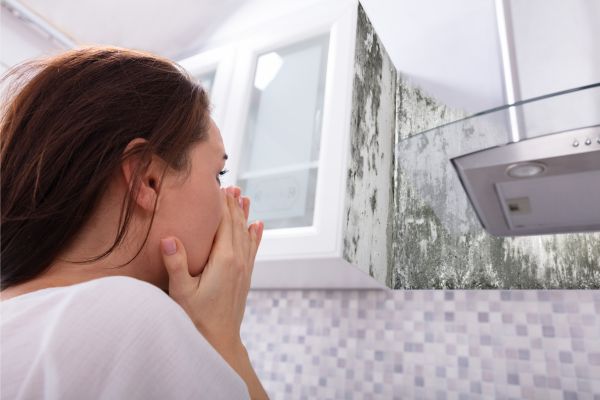
You notice the musty smell when you walk into certain rooms. Your kids’ allergies get worse at home but clear up at school. You see some discoloration on the basement wall but can’t tell if it’s mold or just staining.
Here’s what most people don’t realize: not all mold is the same. Some species are relatively harmless. Others, like Stachybotrys (black mold), produce mycotoxins that can cause serious respiratory problems, chronic headaches, and immune system issues.
Without testing, you’re making decisions in the dark. You might spend thousands removing mold that wasn’t dangerous. Or worse, you might ignore a problem that’s actively harming your family’s health. Professional mold testing gives you the facts: which species are present, their concentration levels, and how your indoor air compares to outdoor baseline readings.
That information changes everything. It tells you whether you need immediate remediation or just better ventilation. It gives you documentation for insurance claims. It protects your property value when you’re buying or selling. Most importantly, it gives you peace of mind about the air your family breathes every day.
We’ve been serving Bucks County homeowners for years, and we’ve built our reputation on one simple principle: honest assessments. We’re not here to scare you into expensive work you don’t need.
When we test your home, we’re looking for facts, not sales opportunities. Our certified inspectors use thermal imaging, moisture meters, and air sampling equipment to find mold you can’t see. Then we send those samples to independent labs for analysis.
You get a detailed report showing exactly what’s in your air, where it’s concentrated, and what it means for your health. If remediation is necessary, we’ll tell you. If it’s not, we’ll tell you that too. Argus homes face the same challenges as the rest of Bucks County: rising precipitation levels (up 5-10% in recent years), older construction with poor ventilation, and humid summers that create perfect conditions for mold growth. We understand what you’re dealing with because we’ve seen it in hundreds of local homes.
First, we schedule a time that works for you. Our inspectors typically arrive within 24 hours of your call. When we get to your home, we start with a visual examination of the areas you’re concerned about, plus common problem spots like basements, crawl spaces, attics, and bathrooms.
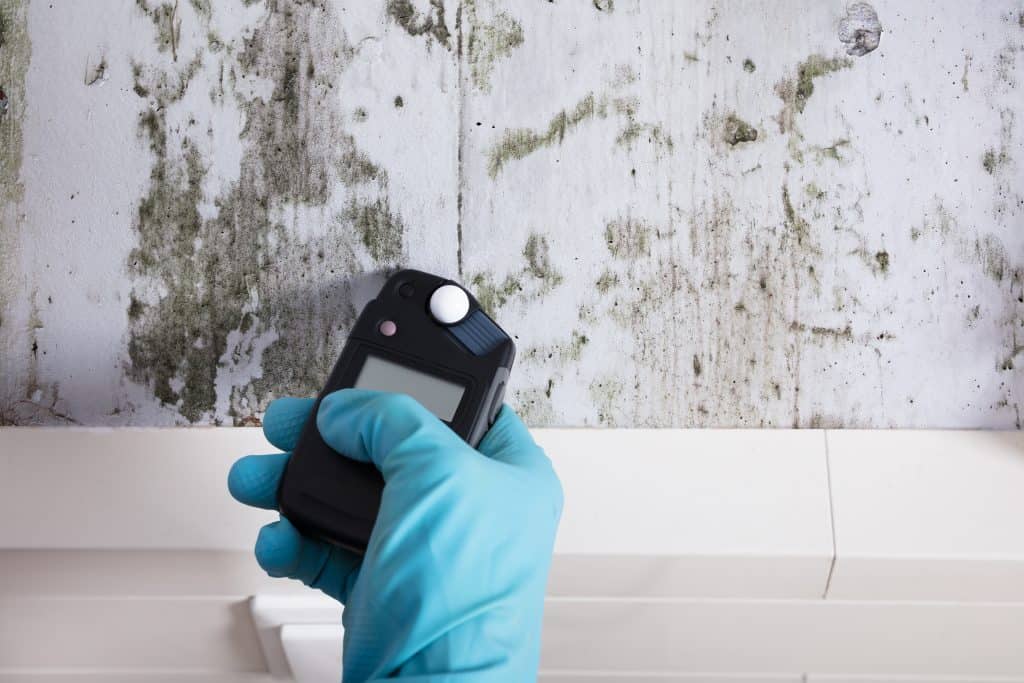
We use moisture meters to check walls, floors, and ceilings for hidden water damage. Thermal imaging cameras help us spot temperature differences that indicate moisture behind surfaces. These tools find mold growth you can’t see with your eyes.
Next comes air sampling. We collect samples from multiple rooms in your home, plus an outdoor sample for comparison. We also take surface samples from any visible growth or suspicious areas. The whole inspection usually takes 1-2 hours depending on your home’s size.
Those samples go to a certified laboratory for analysis. Within 24-48 hours, you get a detailed report identifying every mold species present, their concentration levels, and whether those levels are normal or elevated compared to outdoor air. The report also includes photos, moisture readings, and our professional recommendations.
Then we sit down with you and explain what it all means in plain language. No jargon, no scare tactics. Just clear information about what’s in your home and what you should do about it.
Ready to get started?
Your mold testing service includes a comprehensive visual inspection using professional-grade equipment. We’re not just walking through with a flashlight. We’re using tools that cost thousands of dollars and require training to operate correctly.
You get multiple air samples from different areas of your home. This matters because mold concentrations vary by room. The basement might have elevated levels while upstairs tests clean. Surface samples from any visible growth or suspicious areas give us species-specific information.
The lab analysis breaks down exactly which mold species are present. This is critical because different species require different responses. Aspergillus, Penicillium, and Stachybotrys all look similar to the untrained eye, but they pose very different health risks.
Your detailed report includes concentration measurements (spores per cubic meter), comparison to outdoor baseline levels, moisture readings from every area we tested, and thermal imaging results showing hidden moisture. You also get our written recommendations for next steps.
Here’s something most Argus homeowners don’t know: Pennsylvania’s increased precipitation over the last decade means mold problems that used to be rare are now common. Your neighbors are dealing with this too. The difference is whether you’re addressing it with accurate information or just guessing. Testing costs between $300-$500 depending on your home’s size and how many samples we need. That’s a fraction of what you’d spend on unnecessary remediation or, worse, on health problems that could have been prevented.
You need testing when you have symptoms but no visible source. That means musty odors you can’t locate, family members with respiratory issues that improve when they leave the house, or allergy symptoms that won’t go away despite medication.
You also need testing after water damage, even if you dried everything quickly. Mold can start growing within 24-48 hours, and it often starts inside walls or under flooring where you can’t see it. If you’re buying or selling a home in Argus, testing protects both parties. Buyers want to know what they’re getting into. Sellers want documentation that there’s no hidden problem that could kill the deal later.
Testing is also necessary when you see growth but don’t know what it is. Not all discoloration is mold, and not all mold is dangerous. The only way to know for sure is laboratory analysis. Finally, if you’re planning remediation, testing should happen first. You need to know which species you’re dealing with because that determines the containment and removal protocols. Stachybotrys requires much more aggressive handling than Cladosporium.
An inspection is visual. A certified inspector examines your home, uses moisture meters and thermal imaging to find problems, and gives you a professional assessment of what they see. Testing goes further by collecting actual samples and sending them to a lab.
Think of it this way: an inspection tells you where mold is likely growing and how extensive the problem appears. Testing tells you exactly which species are present and how concentrated they are in your air. Most professional mold checks include both inspection and testing because you need both pieces of information.
The inspection finds the problem areas. The testing identifies what’s growing there and whether it’s dangerous. Some companies offer inspection-only services at a lower price, but that leaves you guessing about the most important questions: what type of mold is it, and how bad is the contamination? For a complete picture, especially if you’re dealing with health symptoms or planning remediation, you want both the inspection and the lab testing. The cost difference is usually $100-$200, and the information you gain is worth far more than that.
Professional mold testing in Argus typically costs between $300 and $500. That includes a full visual inspection with moisture detection equipment, thermal imaging, and two to three air samples sent to a certified laboratory for analysis.
The price varies based on your home’s size and how many samples we need to collect. A small home with one problem area costs less than a large home where we’re testing multiple rooms. Additional surface samples add $50-$75 each if we need to identify specific growth on walls, ceilings, or other surfaces.
Here’s what you’re actually paying for: certified inspector time (usually 1-2 hours on site), professional equipment that costs thousands of dollars, laboratory analysis by trained microbiologists, and a detailed report with specific recommendations. Some companies charge less, but they’re often remediation companies that make their real money on the removal work. That creates a conflict of interest. They have a financial incentive to find problems and recommend expensive solutions.
Independent testing costs more upfront but saves you money in the long run because you’re getting unbiased results. Your insurance might cover testing if the mold resulted from a covered event like a burst pipe. Check your homeowner’s policy before assuming you’re paying out of pocket.
Home test kits cost $10-$50 and seem like an easy solution, but they have serious limitations. They can tell you that mold spores are present, but they can’t tell you which species, how concentrated they are, or whether the levels are actually abnormal.
Here’s the problem: mold spores are everywhere. They’re in outdoor air, and they’re in every home in Argus. A positive result from a home kit doesn’t tell you anything useful because of course there are mold spores in your house. The real questions are which types and how many compared to normal outdoor levels.
Professional testing answers those questions. We collect samples in a controlled way, measure exact spore concentrations, and compare your indoor levels to outdoor baseline readings. That tells you whether you have an actual problem or just normal background levels. Professional testing also uses multiple sample locations to map where contamination is concentrated.
Home kits usually test just one spot, which can easily miss the problem area or give you a false positive from a location that doesn’t represent your overall air quality. If you’re dealing with health symptoms, planning to spend money on remediation, or need documentation for insurance or real estate transactions, home kits won’t cut it. You need professional testing with laboratory analysis and a certified inspector’s report.
The inspection itself takes 1-2 hours depending on your home’s size and how many areas we’re testing. We collect air samples and surface samples, document everything with photos and moisture readings, and explain what we found during the visual inspection before we leave.
The samples go to a certified laboratory that same day. Lab analysis typically takes 24-48 hours. You’ll receive a detailed report showing which mold species were identified, their concentration levels in spores per cubic meter, and how your indoor readings compare to the outdoor baseline sample.
Some labs offer rush processing for an additional fee if you’re in a time-sensitive situation, like a real estate transaction that’s about to close. Rush results can come back in 24 hours or less. Once we receive the lab report, we’ll call you to review the findings and explain what they mean in practical terms.
If remediation is necessary, we’ll discuss the scope of work and give you a clear estimate. If the results show normal levels or minor issues that don’t require professional removal, we’ll tell you that too and suggest preventive measures. The whole process from inspection to final recommendations usually takes 2-3 days. That’s fast enough to make informed decisions without waiting weeks, but thorough enough to give you accurate, actionable information about your home’s air quality.
Professional mold testing is non-invasive and doesn’t disturb mold growth in ways that spread contamination. We’re collecting air samples and surface samples, not tearing into walls or scraping large areas. The sampling process is specifically designed to minimize disturbance.
Air sampling uses a pump that draws air through a collection device. It doesn’t touch any surfaces or disturb any growth. Surface samples are collected with sterile swabs or tape lifts from small areas, usually just a few square inches. This doesn’t release significant spores into the air.
What does spread mold is improper remediation. When people try to remove mold themselves without proper containment, they release millions of spores into the air. Those spores travel through your HVAC system and settle in rooms that were previously clean. That’s why testing should always happen before removal.
If we find elevated mold levels during testing, we’ll advise you not to disturb the affected areas until proper containment is set up. Professional remediation uses negative air pressure, physical barriers, and HEPA filtration to prevent cross-contamination. The testing process itself is safe and won’t make your problem worse. In fact, it prevents you from making your problem worse by trying to clean up mold without knowing what you’re dealing with or how to handle it safely.
Other Services we provide in Argus